.jpg)
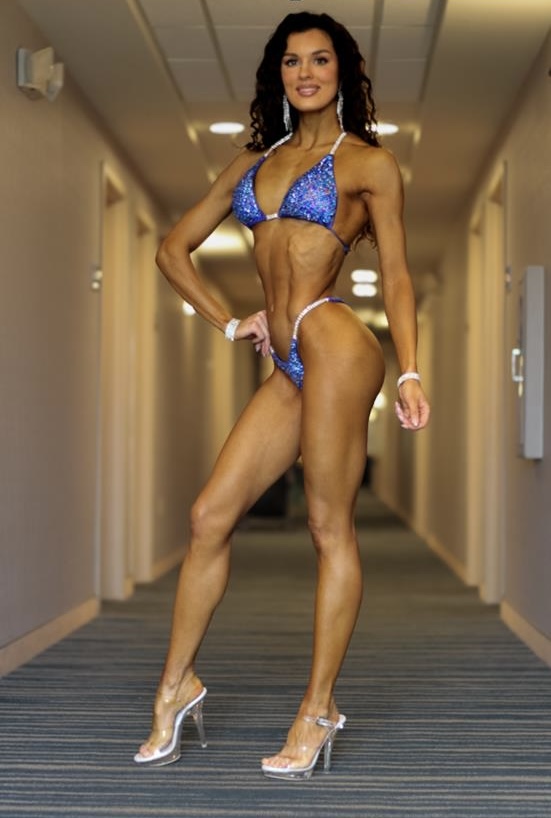
Contest prep doesn’t always fit into 16 weeks. Your starting point, muscle base, body fat, posing, habits, and rate of progress should determine the timeline. Learn why the prep should decide the show, not the other way around.
One of the most common questions competitors ask is, “How long does contest prep take?” Most of the time, they are looking for a simple answer because they already have a show in mind, or they have heard that 16 weeks is the normal prep timeline and want to know if that will be enough. The problem is that 16 weeks gets treated like a rule when it is really just a number. For some competitors, 16 weeks can be enough. For others, especially first-time bikini competitors, it may not be close to enough time to bring the look they need.
A better way to look at prep is this. The timeline should be built around the competitor, not around a random date on the calendar. Your starting body composition, muscle base, dieting history, current food intake, cardio, training performance, stress, schedule, posing ability, and rate of progress all affect how long prep should take. If you pick a show first, count backward 16 weeks, and expect your body to be ready because the calendar says so, you may end up forcing the process instead of building the right look. That is how preps get rushed, calories get pulled too low too fast, cardio gets pushed higher than needed, posing gets crammed in late, fatigue builds, and the final package ends up paying for it.
One of our long-standing philosophies is simple. Don’t let the show decide the prep. Let the prep decide the show. That does not mean there are never exceptions. National shows, qualification deadlines, travel, work-approved vacation time, family schedules, and real-life logistics can make a specific date more fixed. But when time is not truly the limiting factor, rushing into a show just because you are excited is usually not the best move. The prep should tell you what show makes sense because the body, the look, and the rate of progress are what determine if you are ready, not the date you wanted to make work.
Sixteen Weeks Is Not a Strategy
Sixteen weeks may be enough for a competitor who is already in a strong starting position. If someone already has enough muscle for the division, is relatively lean, tracks accurately, trains consistently, poses well, and has a lifestyle that supports prep, then 16 weeks may be realistic. In that case, prep may be more about refining the look, bringing body fat down a little more, polishing presentation, and managing the final details. That is completely different from someone starting farther away from stage condition, still learning how to track, still building basic training consistency, or trying to learn posing from scratch.
The issue with the “16-week prep” mindset is that it gives people false confidence. It makes contest prep sound like a clean countdown instead of a process that has to be adjusted based on the competitor. For a first-time bikini competitor, prep is rarely just fat loss. It is also learning how to execute nutrition consistently, how to check in correctly, how to understand scale fluctuations, how to practice posing, how to manage stress, and how to recognize what stage condition actually looks like. When all of that has to happen inside a short timeline, the athlete usually has less room for mistakes, less room for learning, and less room for the coach to make strategic adjustments without pushing harder.
That is why 16 weeks is not a strategy. It can be a timeline, but the strategy is matching the timeline to the competitor. If the body needs 20 weeks of work and you only give it 16, pretending otherwise does not make you more disciplined. It just makes the prep more aggressive. The body still needs what it needs, and the final look will usually tell the truth.
The Timeline Should Start With the Competitor
The first question should not be, “What show do you want to do?” The first question should be, “Where are you starting?” That means looking at the competitor’s current physique, body composition, muscle base, division fit, training history, food intake, cardio, adherence, stress, sleep, posing, and overall lifestyle. Those factors tell us more about how long prep should take than any show flyer ever will. A competitor who is 10 pounds from stage condition and already executing well is in a very different position than a competitor who is 25 pounds away, inconsistent with tracking, new to posing, and still needs more glute or shoulder development for bikini.
This is where many competitors make the mistake of choosing emotionally instead of strategically. They find a show that sounds exciting, commit to it publicly, and then feel locked into that date before anyone has honestly assessed whether the timeline makes sense. Once that happens, the entire prep can become about forcing fat loss instead of building the best possible look. That is backwards. A show date should support the prep, not corner the competitor into bad decisions.
The better approach is to assess the competitor first, start the process, monitor how the body responds, and then choose the show that fits the prep. This does not mean you never set goals or never look at the calendar. Of course you do. But the show should make sense based on the athlete’s reality, not just excitement. When the prep is built from the starting point, the decisions are usually better, the timeline is more realistic, and the final look has a better chance of matching what the division rewards.
Rate of Loss Matters
Contest prep is not just about losing weight. It is about losing enough body fat while keeping as much muscle, shape, fullness, training performance, and presentation as possible. That is why Rate of Loss (ROL) matters. Evidence-based bodybuilding prep recommendations commonly use a target of about 0.5 to 1% of body weight per week because that range gives the competitor a better chance of losing body fat while preserving lean body mass. Some competitors may need to move faster at certain points, and some may need to move slower, but the general principle is important. The more aggressive the fat loss has to be, the more risk you take on.
This is where the timeline becomes more than just a number. If a competitor needs to lose 8 to 16 pounds and is already consistent, 16 weeks may be enough depending on her look, her division, and her rate of progress. If she needs to lose 20 or 25 pounds, 16 weeks may force a ROL that is much harder to manage. The math has to match the look. You cannot ignore how much work actually needs to happen just because a show is coming up.
This is also why the scale is only part of the conversation. Two competitors can lose the same amount of weight and look completely different based on their muscle base, structure, conditioning, where they hold fat, and how well they present their physique. In bikini, the goal is not just to be lighter. The goal is to bring the right combination of shape, balance, conditioning, and presentation. A timeline that gets the weight down but sacrifices the look is not a successful timeline.
Rushing Prep Usually Costs You Somewhere
A rushed prep may still get weight off, but the cost usually shows up somewhere. It may show up in training performance, muscle loss, recovery, sleep, mood, hunger, digestion, or the ability to stay consistent through the final weeks. At the beginning, a short timeline can feel motivating because it creates urgency and makes the goal feel real. But later, when the body is not moving fast enough or the look is not ready, that urgency can turn into pressure. That is when competitors start feeling behind, coaches have fewer options, and every check-in becomes a reaction to the calendar instead of an assessment of the competitor.
This is where poor timelines create poor decisions. If there is not enough room to let the body respond, the only options become more aggressive ones. Calories may need to come down faster, cardio may need to increase sooner, and fatigue can build before the competitor is actually close enough to stage condition. That does not mean aggressive phases are never needed. There are times in prep when a push makes sense. But there is a difference between using a push strategically and being forced into one because the show date was picked before the body was ready.
The goal of prep is not to suffer harder. The goal is to arrive ready. A better timeline gives the coach room to hold when needed, push when needed, manage fatigue, preserve muscle, and keep the look moving in the right direction. If the prep is always behind the timeline, the process becomes reactive. If the timeline fits the competitor, the process can be much more controlled.
You Are Not Just Dieting to Be Smaller
One of the biggest mistakes bikini competitors make is thinking prep length is only about how long it will take to get lean. Getting lean matters, but it is not the only thing that matters. You also have to ask whether there is enough muscle and shape to reveal once the body fat comes down. The greater the rate of loss, the more risk there is to muscle retention, training performance, recovery, and fullness. If the glutes, shoulders, or overall balance still need more development, dieting harder will not fix that. It may just make the competitor smaller, flatter, and less competitive.
Bikini is not a weight-loss contest. It is a physique competition. The NPC Bikini criteria include a foundation of muscle that gives shape to the female body, full round glutes with slight hamstring-glute separation, a conditioned core, and enough shoulder shape to support the overall look. That means the body has to have something to reveal when prep does its job. If the muscle is not there yet, the answer is often not a shorter, harder prep. The answer may be more time in a building phase before prep officially starts.
That can be hard for an excited competitor to hear, but it is usually the more productive answer. If someone is not ready because they need more muscle, then picking a closer show does not solve the problem. It just gives them less time to address it. A good off-season can make prep easier because the competitor has more shape to reveal and may not need to force the final look with extreme dieting or excessive cardio. The goal is not just to be stage lean. The goal is to have a physique that looks like it belongs in the division once it is stage lean.
First-Time Competitors Usually Need More Runway
First-time competitors often underestimate how much prep requires because they are only thinking about the diet. They know they need to lose body fat, but they may not realize how much they also need to learn. A first prep includes learning how to track accurately, how to communicate with a coach, how to check in consistently, how the menstrual cycle can affect weight and appearance, how stress and digestion change the look, how to pose, how to handle hunger, how to stay objective, and how to understand the difference between looking fit and being stage-ready.
That learning curve matters. A first-time competitor may need more runway not because she is incapable, but because she is doing everything for the first time. The body is changing, the routine is becoming more structured, posing feels unnatural at first, and the competitor is trying to stay emotionally steady while watching every fluctuation. If all of that happens inside a short timeline, the process can feel overwhelming quickly. More time does not mean making the prep miserable for longer. It means giving the competitor enough room to learn, adjust, and build confidence instead of being thrown into the hardest part before she even understands what is happening.
This is also where good coaching can change the entire experience. A longer runway allows for better education, better trend analysis, better posing development, and better decision-making. It gives the coach time to see how the competitor responds instead of making every adjustment under pressure. It also gives the competitor time to become more professional in how she executes the plan. That matters because the stage does not reward panic. It rewards the final look.
When 16 Weeks Might Be Enough
Sixteen weeks can be enough when the competitor has already done a lot of the work before prep officially starts. That usually means she is already relatively lean, has enough muscle for the division, has consistent nutrition habits, trains with intent, tracks accurately, communicates well, and has a posing foundation that will not require starting from zero. It also helps if her lifestyle is predictable enough to support the process because a shorter prep has less room for repeated disruptions.
In this situation, prep may not need to be a full transformation. It may be more of a refinement phase where the athlete is already in striking distance and the goal is to bring conditioning down while preserving the shape she has already built. That is a very different competitor from someone who is still trying to develop the physique, learn the process, and create consistency at the same time. The number of weeks only means something when you know the starting point.
So yes, 16 weeks can work. But it works best when the competitor is already in position for it to work. The timeline is not what makes the prep successful. The starting point, execution, response, and coaching decisions do.
When 16 Weeks Probably Is Not Enough
Sixteen weeks probably is not enough if the competitor is still far from stage condition, inconsistent with nutrition, new to serious training, low on muscle for the division, behind on posing, already starting on low calories, already doing high cardio, or dealing with major lifestyle stress. It also may not be enough if the competitor does not yet understand what stage condition actually looks like. This happens often because someone can look fit, athletic, and lean compared to everyday standards, but bodybuilding standards are different.
Stage lights, tan, posing, comparison rounds, and judging criteria change everything. A competitor may look great in the gym and still not be close to the level of conditioning or presentation needed for stage. That does not mean she cannot compete. It means the timeline needs to be honest. If she is farther out than she thinks, the prep needs more time. Not because she is not working hard, but because the final look requires more than effort. It requires enough time for the body to change without destroying the parts of the physique she needs to keep.
This is why honest assessment matters before choosing a show. If the answer is that 16 weeks is not enough, that is not discouragement. That is direction. It gives the competitor a chance to choose a better show, build first, or start earlier so the prep is not forced into a timeline that was never realistic.
Longer Is Not Always Better Either
The answer is not that every competitor should prep forever. A prep that is too long, poorly managed, or unnecessarily drawn out can become mentally and physically draining. Some competitors do not need 24 or 30 weeks, and giving them that long may create more overthinking than progress. Some competitors are better served with a shorter, cleaner, more focused prep because their starting point supports it and their body responds well.
The goal is not the longest prep. The goal is the right prep. The right timeline gives enough time to bring the look without creating unnecessary fatigue, stress, or mental burnout. It gives enough structure to make progress and enough flexibility to adjust without panic. That is what good coaching is supposed to determine.
Your prep timeline should not be based on what someone else did, what sounds impressive, or what is easiest to market. It should fit your body, your division, your starting point, your schedule, and your actual rate of progress. Sometimes that is 16 weeks. Sometimes it is 20 to 24 weeks. Sometimes the right answer is that prep should not start yet because the competitor needs more time to build first.
Don’t Let the Show Decide the Prep. Let the Prep Decide the Show.
This is one of the most important parts of how we approach contest prep. Don’t let the show decide the prep. Let the prep decide the show. When time is not truly the limiting factor, this is the better way to prep. You assess the competitor, start the process, monitor the response, and choose the show that fits the look instead of forcing the look to fit the show.
There are exceptions, and real life matters. National shows, qualification deadlines, travel, vacation approval, and family schedules can make a specific date more fixed. In those cases, the timeline may need to work around the show, but that does not change the standard. It just means the competitor and coach need to be even more honest about what is possible within that timeframe. If the date is fixed and the competitor is not in position, the final look may be limited by the timeline. That is not negative. That is reality.
When there is no real reason to rush, rushing just to make a random show rarely makes sense. If the body needs more time, it needs more time. If posing needs more time, it needs more time. If muscle needs to be built first, dieting harder will not fix that. The calendar does not dictate your conditioning. The prep does.
How to Choose the Right Contest Prep Timeline
The right contest prep timeline starts with an honest assessment. You need to know where your physique is now, how much body fat likely needs to come off, whether you have enough muscle for your division, how consistent your habits are, how your metabolism is positioned, how much cardio you are already doing, how well you pose, and what your schedule can realistically handle. Once those pieces are clear, the timeline becomes much easier to build.
For many competitors, especially first-time bikini competitors, 16 to 24 weeks may be more realistic than a shorter prep. Some competitors may need less, and some may need more. Some may need to build first before prep even starts. That is not discouraging. That is planning. The whole point is to create a timeline that gives the athlete the best chance to bring a look that matches the division instead of just surviving a diet.
A good timeline should give you room to get lean enough, hold onto shape, maintain training as much as possible, practice posing, manage fatigue, and arrive at show day looking ready instead of just exhausted. Because that is the point. Not to say you made it through prep. To show up ready.
Conclusion
Contest prep length is not determined by a number someone repeated online. It is determined by the competitor. Sixteen weeks may be enough for some competitors, but it is not enough for everyone. Your starting point, muscle base, body composition, adherence, posing, lifestyle, stress, and rate of progress all matter. If those factors do not support a shorter prep, forcing the timeline usually costs you somewhere.
That is why we believe you should not let the show decide the prep. Let the prep decide the show. When the timeline is built around the athlete, the prep can be more strategic. When the athlete is forced to fit a show date that does not make sense, the process usually becomes more aggressive than it needs to be, and the final look may not be what it could have been.
If you are thinking about competing and want to know how long your prep should realistically take, fill out a coaching application with USA Physique. We will assess your current physique, timeline, division fit, habits, and starting point so you know whether your show goal makes sense now, whether you need a longer prep, or whether building first would put you in a better position.